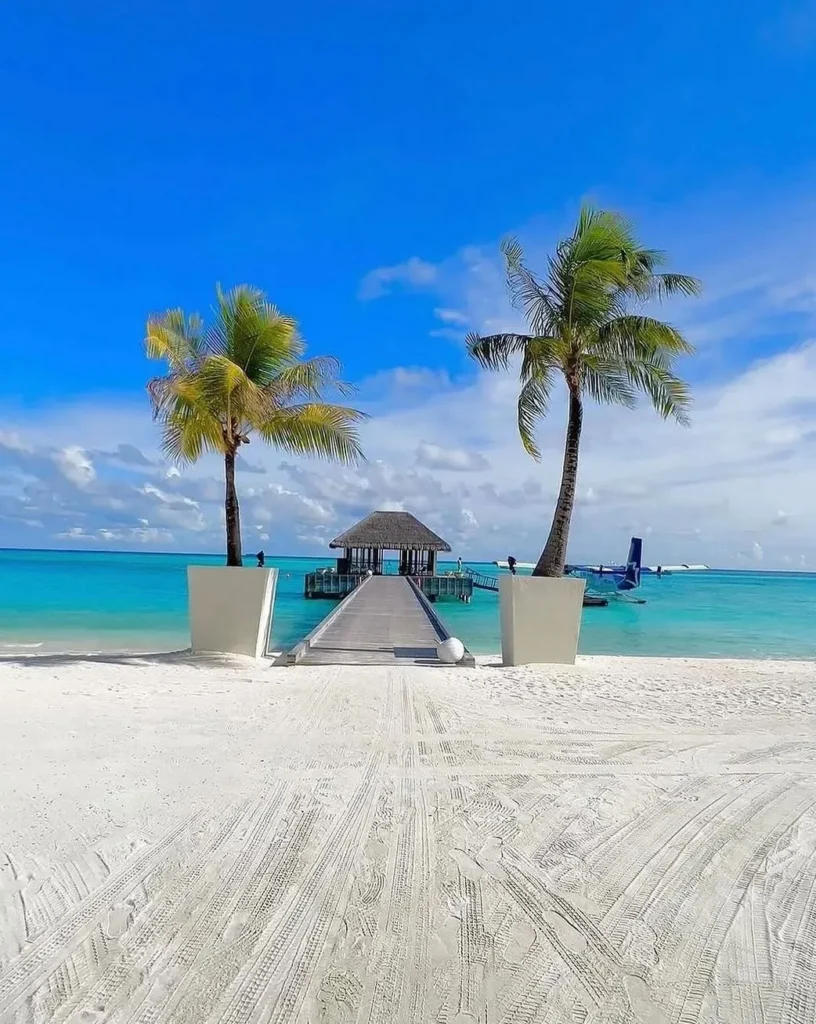

When planning a trip to the Maldives, a tropical paradise with white-sand beaches, turquoise waters and marine life galore, many travelers wonder: what language is spoken in the Maldives? Understanding the local language and its role in society, culture and history will enrich your travel experience and give you deeper insights into one of the world’s most beautiful island nations.
The national language and official language of the Maldives is Dhivehi (also spelled Divehi or Maldivian). Dhivehi is an Indo-Aryan language that has evolved over centuries incorporating elements from Arabic, Hindi, Sinhala, French, Persian, Portuguese and English. This linguistic diversity reflects the Maldives’ long history as a crossroads of maritime trade routes and its rich multicultural heritage. No matter which Maldives tour you choose you’ll find Dhivehi as part of daily life.
If you’re thinking of extending your holiday, nearby destinations like Sri Lanka and southern India will be an exciting addition to your Maldives tour adding more cultural and historical layers to your itinerary.
Contents
A Glimpse into Its Origins
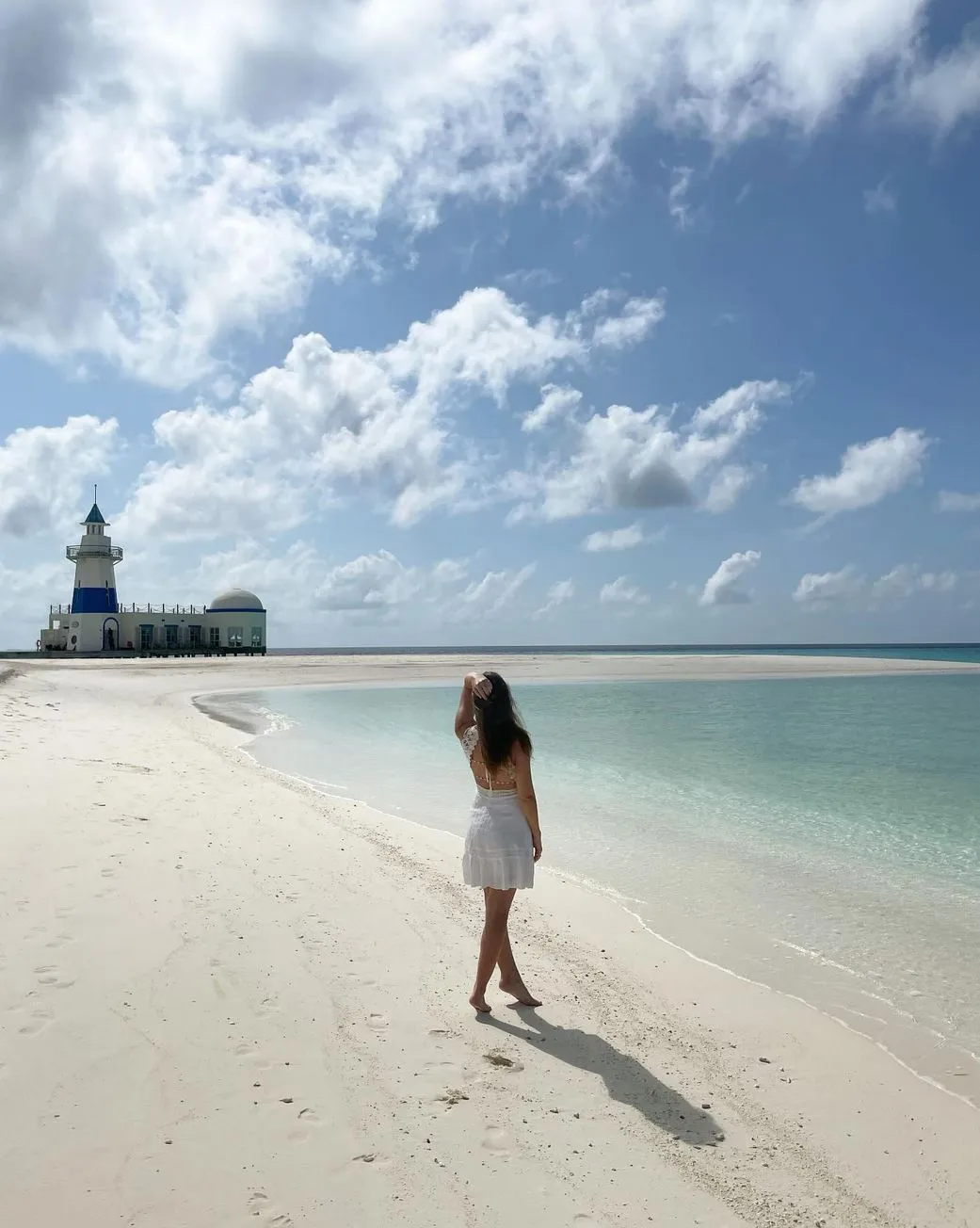
Dhivehi has its roots in ancient Indo-Aryan languages and is closely related to Sinhala, the language of Sri Lanka. The language has developed its own unique script known as Thaana which is written from right to left. Thaana is believed to have been adapted from Arabic numerals and letters and its usage dates back to the 12th century.
Over the centuries Dhivehi has played a key role in historical recording in the Maldives. Ancient manuscripts, royal edicts and religious texts found in the Maldives are written in early forms of Dhivehi and references to the language are abundant in history books. These records give a glimpse into the ancient history of the Maldivian people, their dynasties, customs and spiritual beliefs. When choosing a Maldives travel package it’s worth including cultural experiences that showcase this historical richness.
Dhivehi in Society and State Affairs
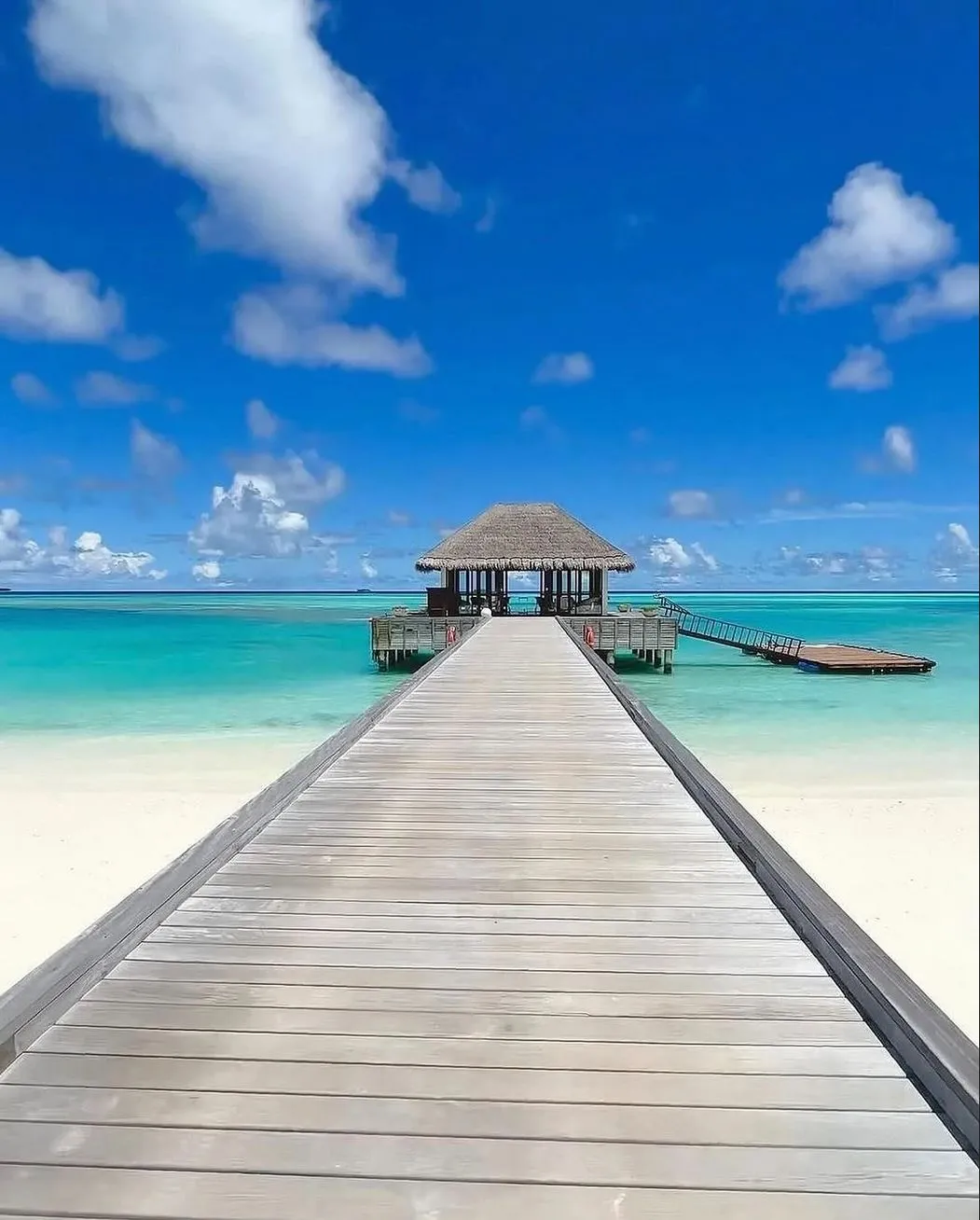
Today Dhivehi is central to Maldivian identity. It’s the medium of instruction in most primary schools and is widely used in public communication. In official and political settings Dhivehi is the language used by the head of government, parliament members and government agencies. All legal documents and official statements are issued in Dhivehi. The Maldives is divided into atolls and islands and each atoll and island has its own Dhivehi for local administration and public services. In the southern atolls there are some unique dialects of Dhivehi spoken showing regional variations among the local populations. Despite these differences standard Dhivehi is spoken throughout the country.
Many Maldives tours also include visits to local islands where you can hear different regional expressions and see how Dhivehi connects the communities across the islands.
English and Other Languages
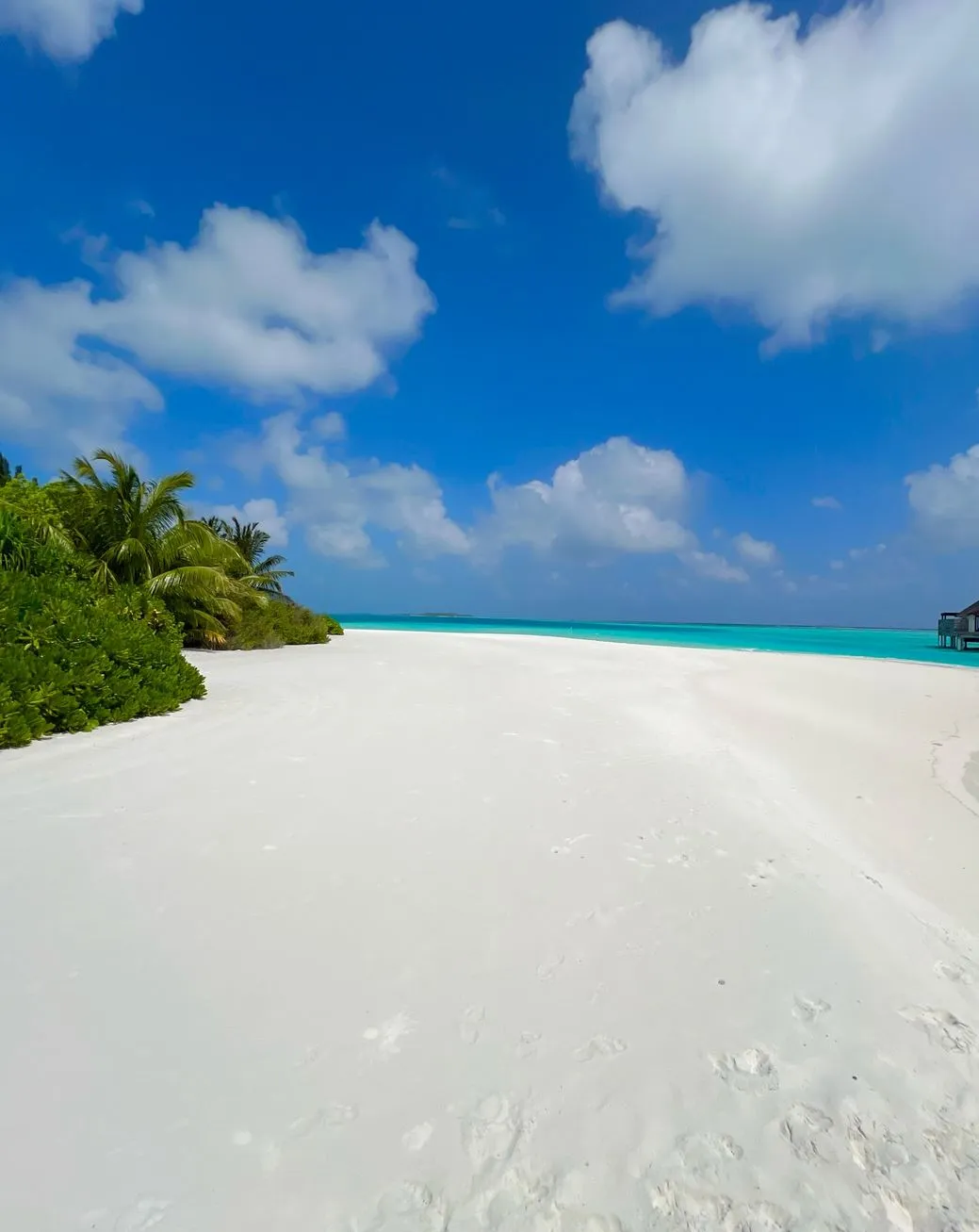
Although Dhivehi is the official language, English is widely spoken throughout the Maldives, especially in the tourism and business sectors. As tourism is the country’s biggest contributor to the economy, English is common among staff in hotels, resorts, airports and restaurants. English is also a key language in secondary education and used in science, maths and international affairs.
You may also hear a number of other languages spoken across the islands:
- Arabic: Used mainly in religious contexts, especially in mosques and Islamic schools. As Islam is the official religion and dominant religion of the Maldives, Arabic is taught for reading the Quran and other religious texts.
- Hindi and Urdu: Spoken by migrant workers from India and Pakistan who work in construction, hospitality and service sectors.
- French, German, Italian and Chinese: Found in tourist hotspots, spoken by multilingual staff to cater to international guests.
Suppose you’re travelling with a company like Autopia Tours. In that case, you might find multilingual guides who can help bridge the cultural gap and enhance your travel experience in and around the Maldives.
Language and Regional Culture
Linguistic variation is noticeable in the southern atolls where dialects of Dhivehi differ in vocabulary and pronunciation. These regional accents and terms give a glimpse into the deeply rooted traditions of local communities. The largest island in many atolls acts as a cultural and administrative hub, preserving the dialects and customs of the surrounding islands.
Maldivians take great pride in preserving their language which is seen as a symbol of unity and cultural identity. From folklore to oral storytelling and poetry, Dhivehi plays a vital role in cultural expressions and ceremonies. Opting for a culturally focused Maldives tour package can give you the opportunity to experience these linguistic traditions firsthand.
Economic Links to Language
The Maldivian economy, especially the fish export industry, has promoted multilingual communication. With over 2,000 species of fish in its waters, fishing is a main livelihood for many Maldivians. The country’s fish canning plant operations and seafood exports require coordination with international partners, so English and other global languages are essential in business. Also related documents, safety procedures and shipping regulations are handled in both Dhivehi and English. This bilingualism helps the Maldives to connect with the global market while preserving the language. If you’re booking a Maldives tour package that includes visits to fishing communities or markets you’ll see how language supports this industry.
For those looking to combine destinations, Seychelles and Mauritius are great additions to a multi-centre Maldives tour.
Dhivehi Phrases for Travelers
Although English is widely spoken, learning a few Dhivehi phrases will make your trip more personal. Here are some basic phrases to try:
- Hello: Assalaamu Alaikum
- Thank you: Shukuriyaa
- Yes: Aan
- No: Noonu
- How are you?: Kihineh?
- Goodbye: Fahivaa
- Where is the beach?: Beach thibaakah?
- Delicious: Meeru
Locals appreciate the effort and using these phrases can open doors to more conversations. Some curated Maldives travel packages include language and culture workshops to help you engage more.
Language and Religion
As a 100% Muslim nation, the Maldives places great importance on Islamic traditions. Arabic has a special status in religious education and prayer. Children learn Arabic to read and recite the Quran and many mosques deliver sermons in Arabic. This linguistic intersection between Arabic and Dhivehi plays a big role in shaping the social and religious fabric of the islands.
Conclusion
Understanding the language of the Maldives gives you more than just practical advantage – it gives you cultural depth. While Dhivehi is the national language, rooted in history and used in historical records, English and other languages facilitate global interaction and the tourism economy.
Whether you’re exploring the southern atolls, staying on the largest island in a resort chain or learning about the Maldives’ government led by the head of government, knowing the role of language will make you appreciate this tropical country more.
The Maldives is more than a pretty getaway – it’s a place where language connects people, history and global exchange. Choose from various Maldives tour packages to include cultural, historical or natural highlights depending on your interest.
And you don’t need to be a master to master Dhive to enjoy your stay. Yes. Most travellers get by with English especially in urban areas and tourist facilities.
Are there other languages spoken?
Yes, Arabic (for religious use), Hindi and Urdu (spoken by migrant workers) and several European and Asian languages in resorts.
What’s the role of language in Maldivian society and economy?
Dhivehi is used in governance, education and culture, English in tourism and fish export and Arabic due to the official religion being Islam.