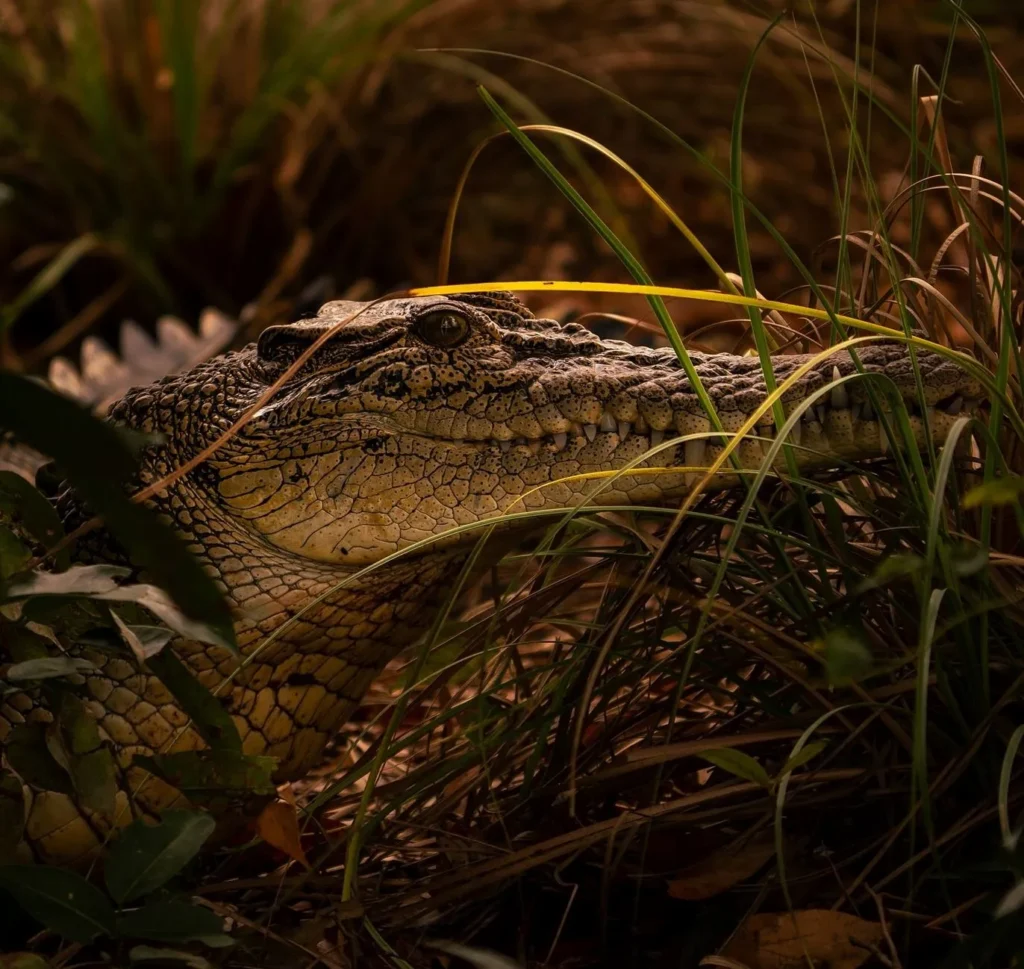

Kakadu National Park in the Northern Territory is a UNESCO World Heritage site and a biodiversity hotspot. Its wildlife, culture and varied landscapes attract visitors from all over the world. Among its many natural wonders Kakadu has an amazing array of reptiles and this is what the park is all about.
Contents
How Many Are There?
Scientists have recorded over 120 reptile species in Kakadu National Park. These include snakes, lizards, turtles and saltwater crocodiles. Kakadu’s wetlands, rocky escarpments, woodlands, coastal waters and monsoon forests provide perfect habitats for these animals and for both native and introduced species to thrive.
Kakadu Reptile Highlights
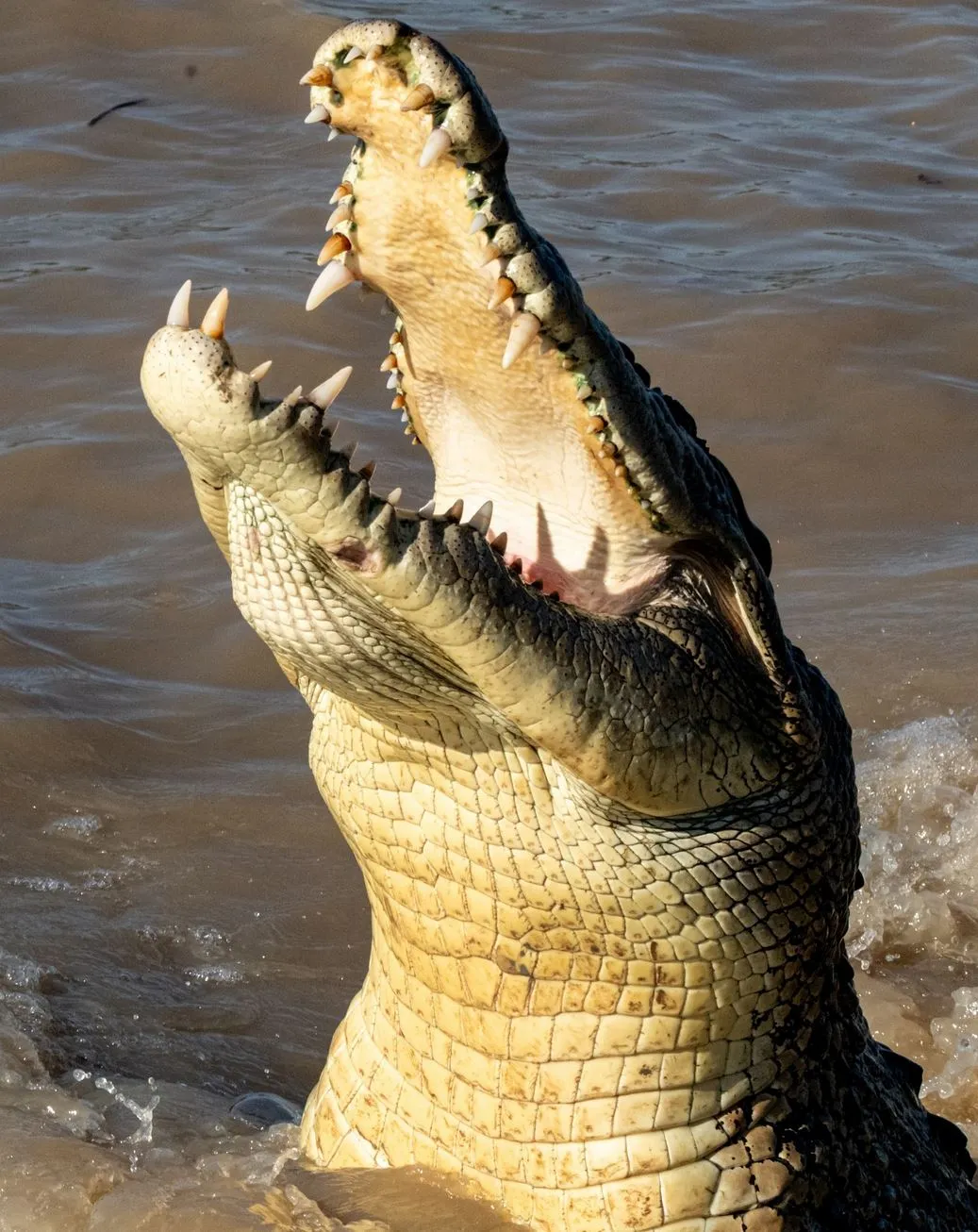
- Saltwater Crocodile (Crocodylus porosus): These are the big boys, the apex predators and the icons of Kakadu. Often seen basking on river banks and in aquatic habitats.
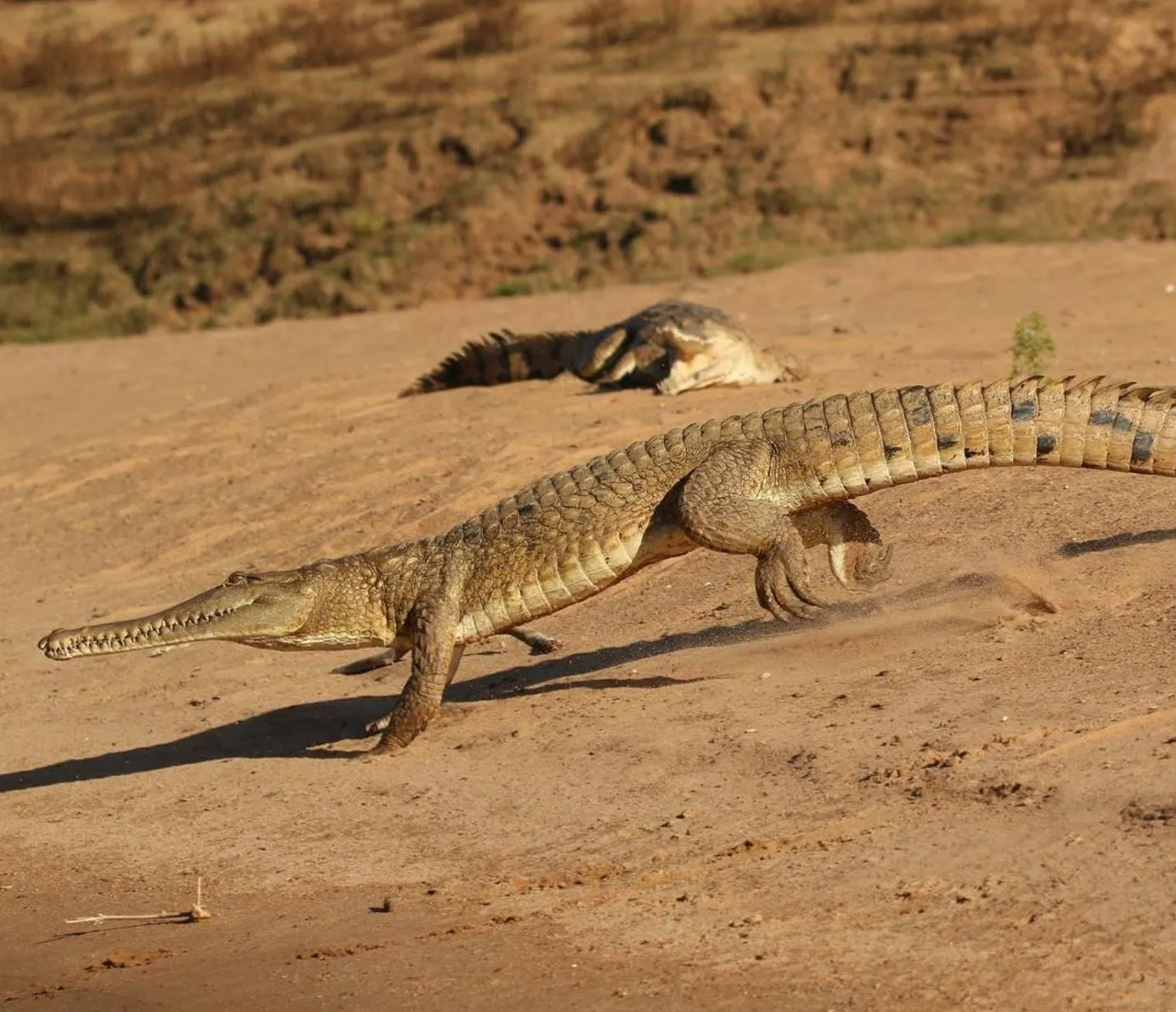
- Freshwater Crocodile (Crocodylus johnstoni): These smaller and less aggressive crocodiles are often seen sunning themselves during the dry season.
- Monitor Lizards: Mertens’ water monitor and sand goanna are crucial to the ecological balance.
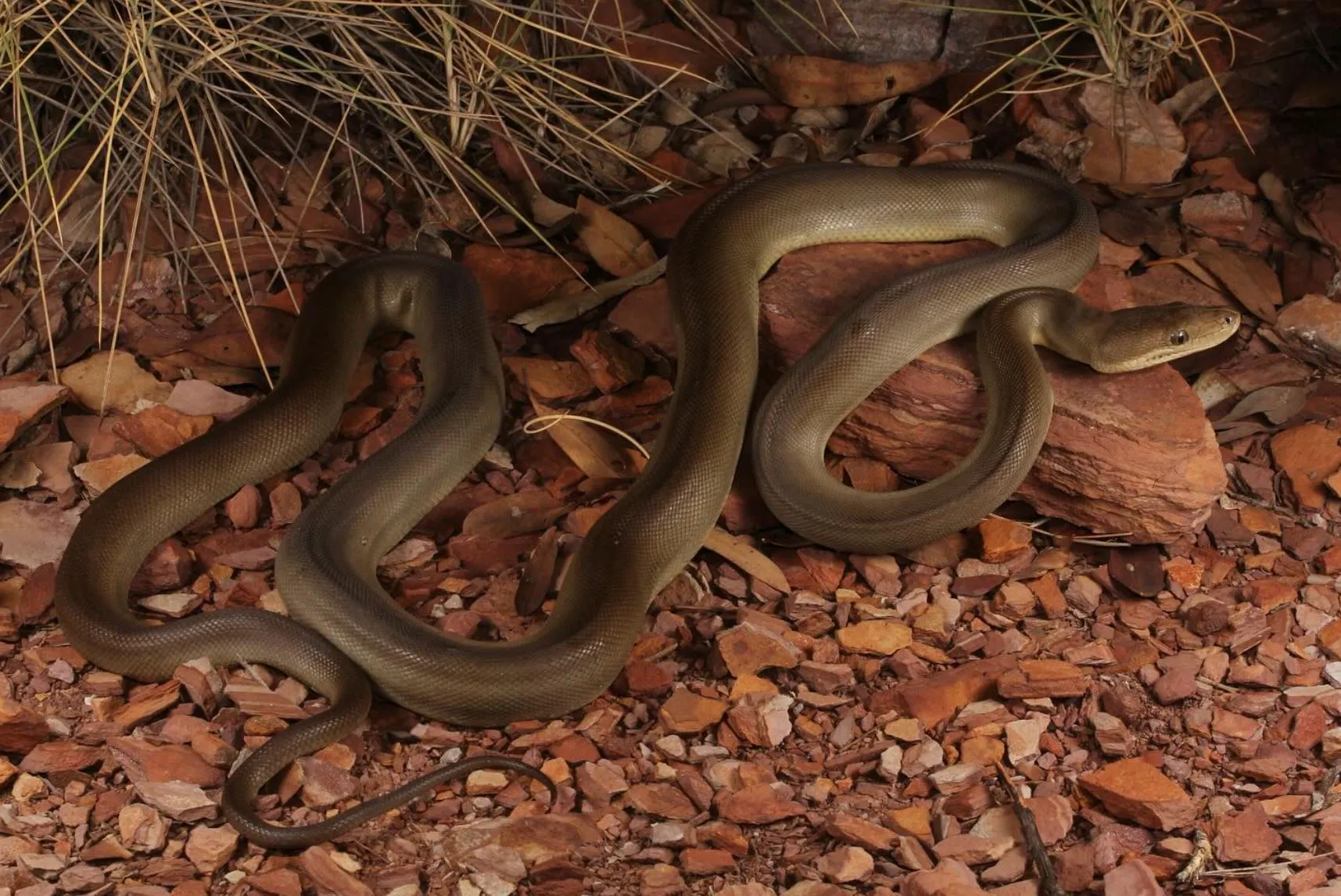
- Snakes: Over 50 species of snakes in the park, from harmless pythons to deadly death adders.
- Turtles: Freshwater turtles like the northern snake-necked turtle are common near water sources.
Here’s a quick summary of Kakadu’s reptiles:
| Reptile Type | Example Species | Notable Feature |
|---|---|---|
| Crocodiles | Saltwater Crocodile, Freshwater Crocodile | Apex predators, vital to ecosystem balance |
| Lizards | Mertens’ Water Monitor, Sand Goanna | Active hunters, important scavengers |
| Snakes | Death Adder, Olive Python | Variety from harmless to highly venomous |
| Turtles | Northern Snake-necked Turtle | Adapted to freshwater habitats |
Reptiles and Environment
Kakadu’s seasons have a big impact on animal life. During the wet and rain season, breeding grounds open up as the water fills the billabongs and rivers. Frogs are loud at night and reptiles take advantage of the new waterways. In the dry season, reptiles bask in the extreme heat to regulate their body temperature.
The dry season can get very hot, so many species have to adapt their behaviour. Kakadu’s big trees provide shade and the ground layer provides cooler refuges. Insects, including some spectacular ones, thrive during these times and are a food source for reptiles.
Birds, Mammals and More
Beyond reptiles, Kakadu is home to a wide range of bird species, mammal species, frog species and native fish species. Hundreds of thousands of birds migrate here and create wetland scenes, especially during scenic flights.
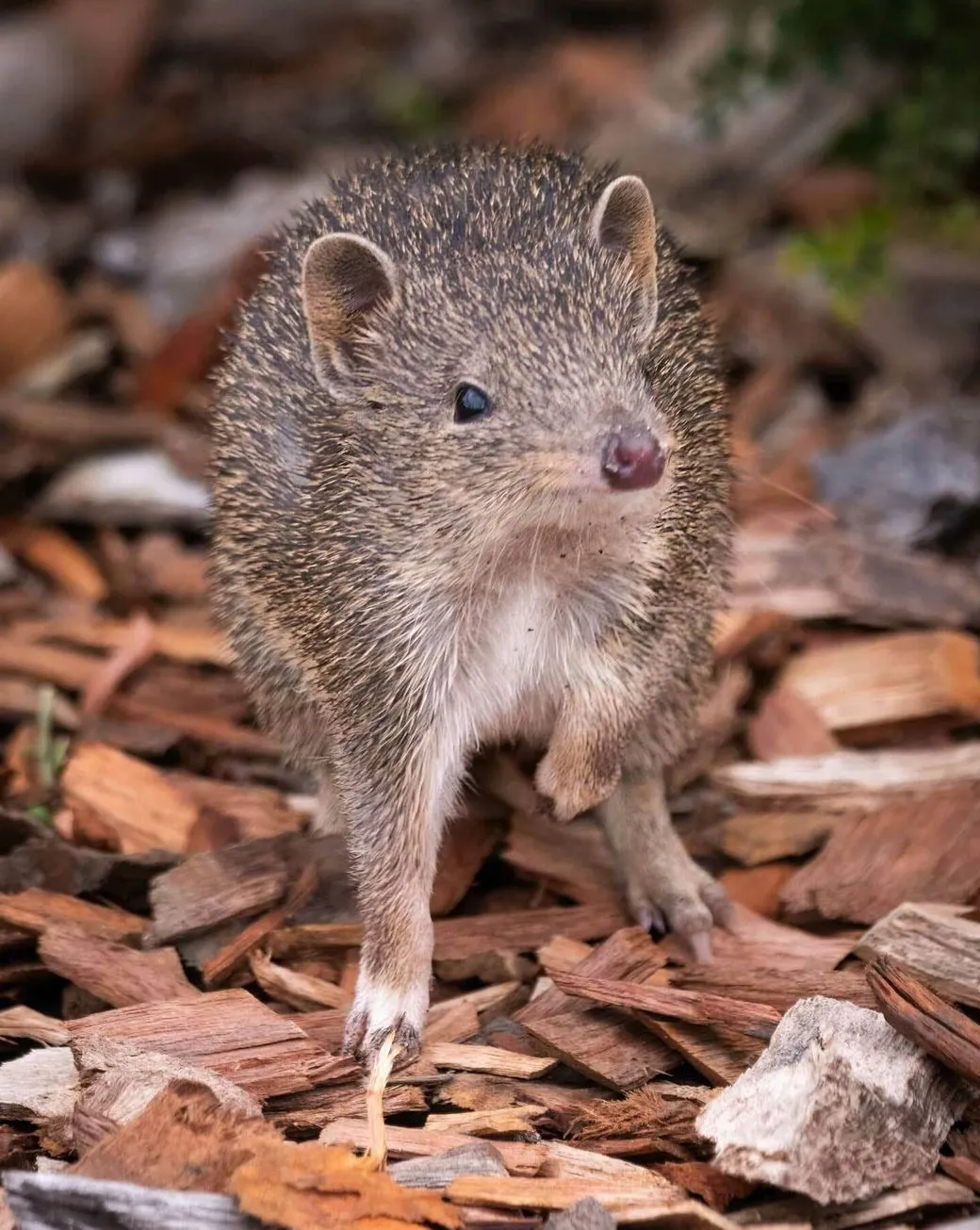
Mammals like brown bandicoots, agile wallabies and northern quolls live in the woodland areas. Plant species like mangroves (mangrove species), itchy trees and pandanus palms are part of the natural values of the region.
The many ecosystems – wetlands, coastal waters, sandstone escarpments and floodplains – create a variety of habitats for an incredible range of wildlife.
Aboriginal Land and Rock Art
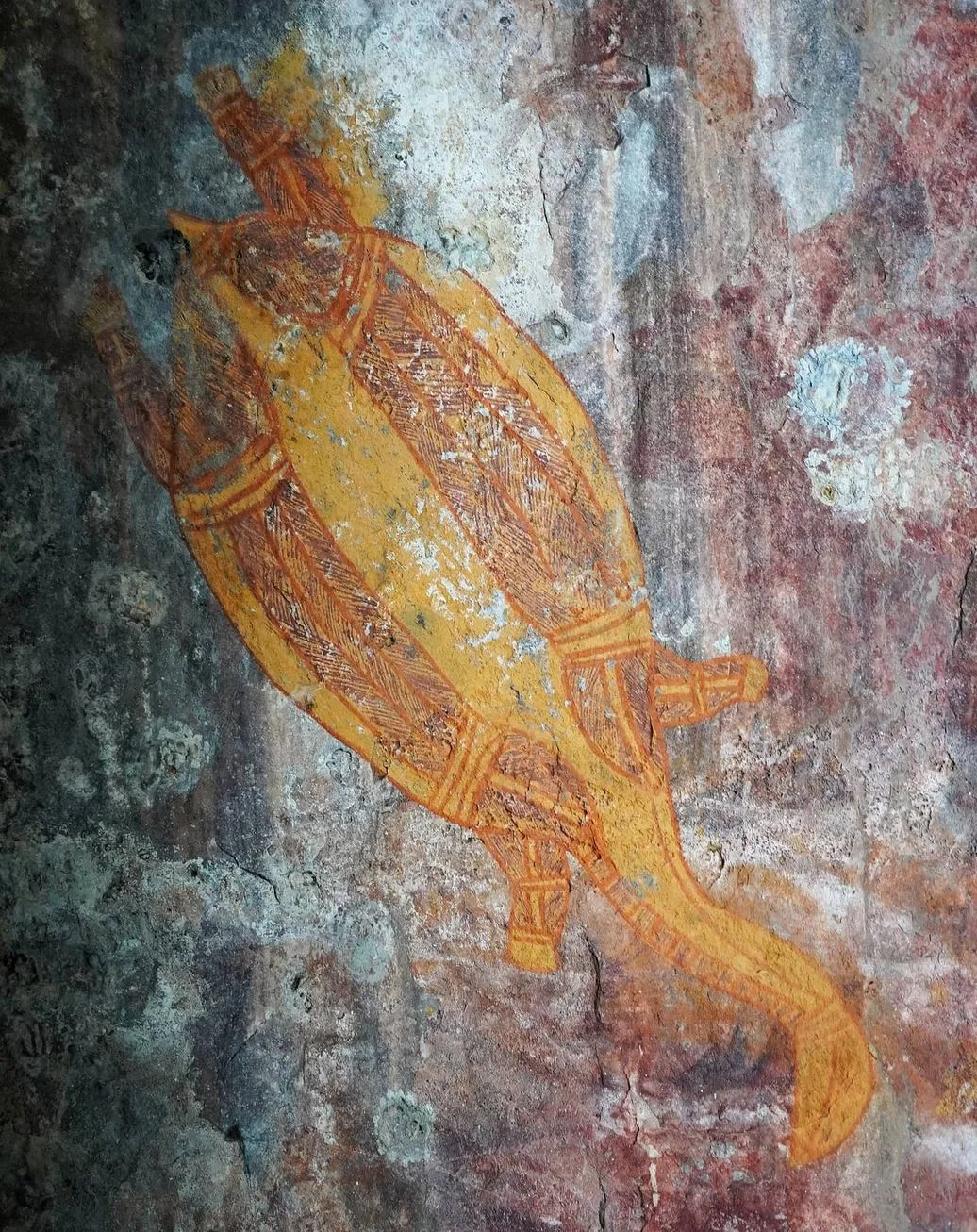
Kakadu is not just about its natural beauty, it’s also Aboriginal land. Rock art styles across the park depict hunting practices, crocodile shooting and the magic – paintings that tell the Dreamtime stories.
The paintings at Ubirr and Nourlangie Rock are some of the most famous, showing the connection between people, reptiles and people’s impact on this land for over 65,000 years.
Invasive Species and Environmental Issues
Despite its biodiversity, Kakadu has invasive species that threaten native species. Feral pigs, cane toads and invasive weeds disrupt breeding grounds, river banks and aquatic habitats. Protecting Kakadu’s animal life and natural values requires ongoing conservation efforts.
Nearby Places to Visit
You can also visit Litchfield National Park with its waterfalls and termite mounds, Nitmiluk National Park to see the gorges and sandstone landscapes or Arnhem Land with its Aboriginal culture and wilderness.
Kakadu’s wildlife is even better with Kakadu Day Tours guides.
FAQ
How many reptiles are in Kakadu?
Over 120 species of reptiles including snakes, lizards, turtles and saltwater crocodiles.
Are saltwater crocodiles dangerous in Kakadu?
Yes, saltwater crocodiles are very dangerous. Always follow park signs, especially near river banks and coastal waters.
What is the most common lizard in Kakadu?
Monitor lizards, Mertens’ water monitor and sand goanna are common during the dry season.
When can I see reptiles in Kakadu?
Dry season (May to October) is the best time to see reptiles as they bask in the sun and are visible during the cool mornings.
Are there any venomous snakes in Kakadu National Park?
Yes, Kakadu has several venomous snakes including death adder and taipans. Be careful and don’t disturb snakes in any environment.